
Key takeaways
- For most beginners and weekend detailers, a dual-action (random orbital) polisher such as the Porter-Cable 7424XP or the Meguiar's MT300 is the sensible…
For most beginners and weekend detailers, a dual-action (random orbital) polisher such as the Porter-Cable 7424XP or the Meguiar’s MT300 is the sensible way to stay under $150, while the Griot’s Garage 6-inch polisher (model 10813) is the model many buyers want but which some retailer listings place above the cap. Dual-action machines are far more forgiving than rotary buffers, so they suit anyone polishing paint at home for the first time.
Below are the machines the makers describe, the specs they state, and how to match a polisher to the job. Where weights or other details differ between sources, that is flagged.
Our top picks
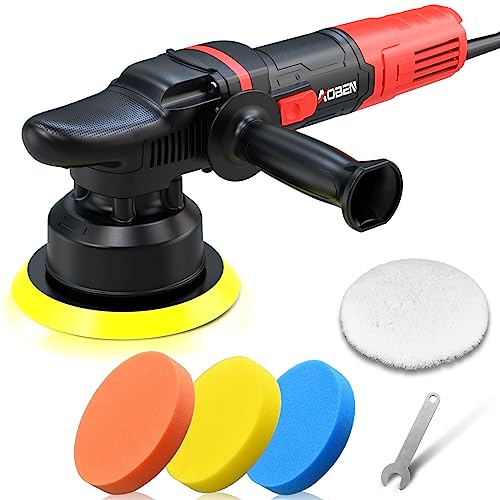


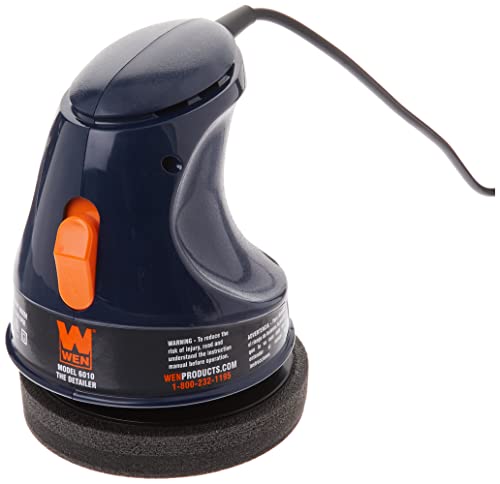
As an Amazon Associate we earn from qualifying purchases at no extra cost to you.
At a Glance: Car Polisher Options
| Model | Best for | Key stated specs | Limits |
|---|---|---|---|
| Porter-Cable 7424XP | Beginners, wide pad and accessory support | 4.5 amp motor, 120 VAC, variable speed 2,500 to 6,800 OPM, 6 mm orbit, 5/16-24 spindle thread, includes a 5-inch backing plate with a counterbalance for 6-inch pads per one source | Smaller orbit than some newer machines; warranty details differ by source |
| Meguiar’s MT300 Dual Action | Users who want load-sensing power | 5-inch pad, 3,000 to 7,500 speed range (listed as RPM or OPM depending on source), Digital Torque Management, billet counterweight, takes standard 5/16 inch plates | Smaller 5-inch pad covers less area per pass |
| Griot’s Garage 6-inch Random Orbital (model 10813) | Larger panels, long-term tool | Maker lists 8 mm orbit, 5/16-24 spindle thread, 2,500 to 6,800 OPM, 850 W, 7.0 A, 6 speed dial, 10 or 25 foot cord, 6-inch plate, lifetime guarantee; foam pads not included | At least one retailer listing for the 10813 kit sits above the cap; weight differs by listing (roughly 7 to 8 lb) |
| Other Griot’s Garage polishers | Tight spots or more power, depending on model | The maker also sells other polisher sizes; wattage and size differ by model | Pricing and availability differ by listing, so confirm on the maker’s page whether they fit the cap |
How to Choose a Car Polisher
Dual action or rotary?
A rotary polisher spins on a single axis and removes paint fast, but it can burn through clear coat or leave holograms if the pad stays in one place or the speed is too high. A dual-action machine spins and oscillates, which spreads heat and makes damage less likely. Under $150, a dual-action machine is the better choice for nearly everyone who is not already trained on a rotary.
Orbit size
The orbit is how far the pad swings. The Porter-Cable 7424XP lists a 6 mm orbit, and the Griot’s 10813 lists 8 mm. A larger orbit covers more area and generally cuts faster, but it can feel less controllable on curved panels. A 6 mm orbit is usually easier to manage on a small hood or fender. Neither is the only correct answer; it depends on whether you favor speed or control.
Pad size and backing plate
The Griot’s 10813 and the Porter-Cable 7424XP can run 6-inch pads, with the Porter-Cable using a 5-inch plate and counterbalance for 6-inch pads per one source, while the Meguiar’s MT300 is built around 5-inch pads. A 5-inch pad reaches contours and tight areas, and a 6-inch pad covers flat panels faster. Griot’s lists 5-inch and 3-inch plates as optional extras. The 5/16-24 thread listed by both makers is a common size, so pads and plates from many brands fit.
Power, speed and feedback
The Porter-Cable lists a 4.5 amp motor and the Griot’s 10813 lists 7.0 amps at 850 W; the numbers are not directly comparable between brands, because amps do not equal pad torque under pressure. The Meguiar’s MT300 describes Digital Torque Management, a feedback circuit that raises torque under downward pressure to hold speed. Variable-speed dials are standard; the 10813 lists six settings in half steps. Start at a low to medium setting and raise it as you learn the pad and product.
Cord, weight and comfort
Weight is listed differently by source: retailer listings for the 10813 give roughly 7 to 8 lb, and weight for the MT300 also varies by listing. A heavier machine feels steadier but tires your arms on long sessions. The 10813 lists a 10 or 25 foot cord; a longer cord avoids an extension cord and the trip hazard it adds. Handle design matters too: the 10813 lists a domed rubberized palm grip.
What is not included
Polishers frequently ship without pads, and Griot’s states that foam pads are not included with the 10813. You also need compound and polish, microfiber towels and painter’s tape, so factor those into the total. Kits that bundle pads and a bag can be a better deal than a bare tool.
Pick X If…
| Your situation | Pick this | Why |
|---|---|---|
| First-time polisher, tight budget | Porter-Cable 7424XP | Dual action, 6 mm orbit, wide support for pads and accessories |
| You want power under pressure | Meguiar’s MT300 | Digital Torque Management to maintain speed |
| Large SUV or truck panels | Griot’s 10813 6-inch (if the listing fits the cap) | 8 mm orbit and 6-inch plate cover more area |
| Tight areas and trim | A smaller pad or a 3-inch plate | Smaller footprint |
| Light polishing and waxing only | Any dual action at low speed | Lower risk, simpler workflow |
| Heavy swirl or oxidation | Dual action with a cutting pad, and patience; consider a professional | Deep defects may exceed what a beginner setup removes |
Budget Tiers Without Prices
The budget tier is compact dual-action machines with a 5-inch pad and basic speed control, which is where the Meguiar’s MT300 and Porter-Cable 7424XP typically sit. The mid-range tier is 6-inch machines with larger orbits and better ergonomics; the Griot’s 10813 sits near or above the cap depending on the kit. The premium tier is larger professional machines or cordless systems, which are clearly above the cap. If you are close to the cap, put money into pads, compounds and towels, because they matter as much as the machine.
Fit, Care and Safety Notes
- Read the manual and wear eye protection. Polish splatters and pads can throw material. Use gloves and a dust mask when sanding or heavy compounding.
- Use proper electrical care. Keep the cord clear of the pad and away from wet areas, use a grounded outlet, and use a correctly rated extension cord if needed.
- Lay the pad flat before turning on. Start the machine only when the pad is on the panel to avoid slinging product.
- Mind edges and trim. Paint is thinnest on edges and body lines; tape trim and keep the pad moving.
- Clean pads between sections. A loaded pad cuts poorly and creates heat.
- Test spot first. Try a small, inconspicuous area to see how your pad and polish combination behaves on your paint.
- Know when to stop. If clear coat is thin or failing, or if defects are deep, consult a professional detailer.
Alternatives
- Hand polishing: Cheap and safe for light haze and small areas but slow and uneven on whole panels.
- All-in-one polish and wax with a foam applicator: Lower risk, modest results.
- Cordless dual-action polishers: Convenient, but battery systems often cost more than the cap.
- Professional paint correction: Best for heavy defects or valuable paint; costs far more than a machine.
Frequently Asked Questions
What is the best polisher for a beginner?
A dual-action machine such as the Porter-Cable 7424XP or Meguiar’s MT300 is generally considered beginner-friendly because it spreads heat and reduces the chance of burning through paint. Start with a polishing pad and a fine polish, and work in small sections. Learn the machine on a hidden area first.
Is a 6-inch or 5-inch polisher better?
A 6-inch pad covers larger flat panels faster, while a 5-inch pad is better for curves and tight spots. The Griot’s 10813 is built around a 6-inch plate and the MT300 around 5-inch pads. Many owners use both sizes over time.
Can a dual-action polisher damage paint?
Yes, any machine can if used with too much pressure, too much speed, an aggressive pad or on thin clear coat. Dual-action machines carry a lower risk than rotary buffers. Follow the maker’s instructions and keep the pad moving.
What else do I need besides the machine?
You need pads, a compound or polish, microfiber towels, painter’s tape and a wash and clay step before polishing. Griot’s states that foam pads are not included with the 10813. Budget for these accessories along with the tool.
How long does it take to polish a car?
For a beginner, a full car can take most of a day, because you work in sections of roughly two feet by two feet and wipe off between passes. Time depends on the paint condition and the machine. Do not rush, since heat and haste cause mistakes.
Is the Griot’s Garage polisher worth the extra cost?
The maker lists a lifetime guarantee against defects and an 8 mm orbit with 850 W, features some owners value. Because a retailer listing for the 10813 kit sits above the cap, the Porter-Cable and Meguiar’s machines are the more reliable choices if you must stay under the limit. Compare the contents of each kit before buying.
